
Quick Summary
You cannot stop dust on ceiling fans entirely, but you can slow it down a lot. Clean blades slowly with a pillowcase so dust is trapped instead of spread, and wipe them every two weeks with a microfiber cloth. Dust builds up quickly because spinning blades push air that carries particles onto them.
- Blades collect dust because they sit high, spin, and can hold a static charge.
- Slide a pillowcase over each blade to trap dust before wiping it.
- Wipe blades with a microfiber cloth every two weeks while the fan is off.
- Do a full pillowcase clean and check the motor housing every three months.
- Dust repellent sprays slow dust buildup but do not stop it.
Table of Contents
- Why Ceiling Fan Blades Collect Dust So Quickly
- How to Clean Ceiling Fan Blades Without Spreading Dust Everywhere
- Does Dust Repellent Spray for Fans Actually Work?
- Setting a Simple Schedule to Keep Your Fan Dust-Free
- Frequently Asked Questions
Ceiling fan blades collect dust faster than almost any other surface in a home, and the reason is simple physics. A spinning blade pushes air around it, and that air carries fine particles. Some of those particles hit the top of the blade and stick there, especially on the side that faces the ceiling, where the airflow slows down.
A common question is how to stop dust on ceiling fans for good. The short answer is that you cannot stop it entirely, but you can slow it down a lot. Below, we cover why blades get so dusty, how to clean them without sending dust into the room, whether dust repellent sprays help, and how to build a simple schedule that keeps the job small.
Why Ceiling Fan Blades Collect Dust So Quickly
Dust on a ceiling fan builds up for a few clear reasons:
- Blades sit high. Dust from floors and furniture rises and settles on the highest flat surfaces in a room.
- Blades spin. Moving air carries dust toward the blades and presses it onto the surface.
- Static attracts dust. Blades made of certain materials can hold a small charge that pulls particles in.
- Heat and cooking add grime. Kitchens and rooms with pets often collect sticky dust that clings more tightly.
How to Clean Ceiling Fan Blades Without Spreading Dust Everywhere
The biggest mistake people make is wiping dust off a blade and sending it into the air. Work slowly and trap the dust as you go.

- Turn the fan off and let it stop completely. Wait a few minutes so loose dust settles.
- Put down a drop cloth or old sheet. Cover the floor and any furniture below.
- Slide a pillowcase over each blade. Pull the blade into the case and wipe the dust inside it, then pull the case off slowly.
- Wipe the blade with a damp microfiber cloth. This picks up what the pillowcase missed.
- Wash the pillowcase or cloth after each room. Dirty cloths put dust back on the blades.
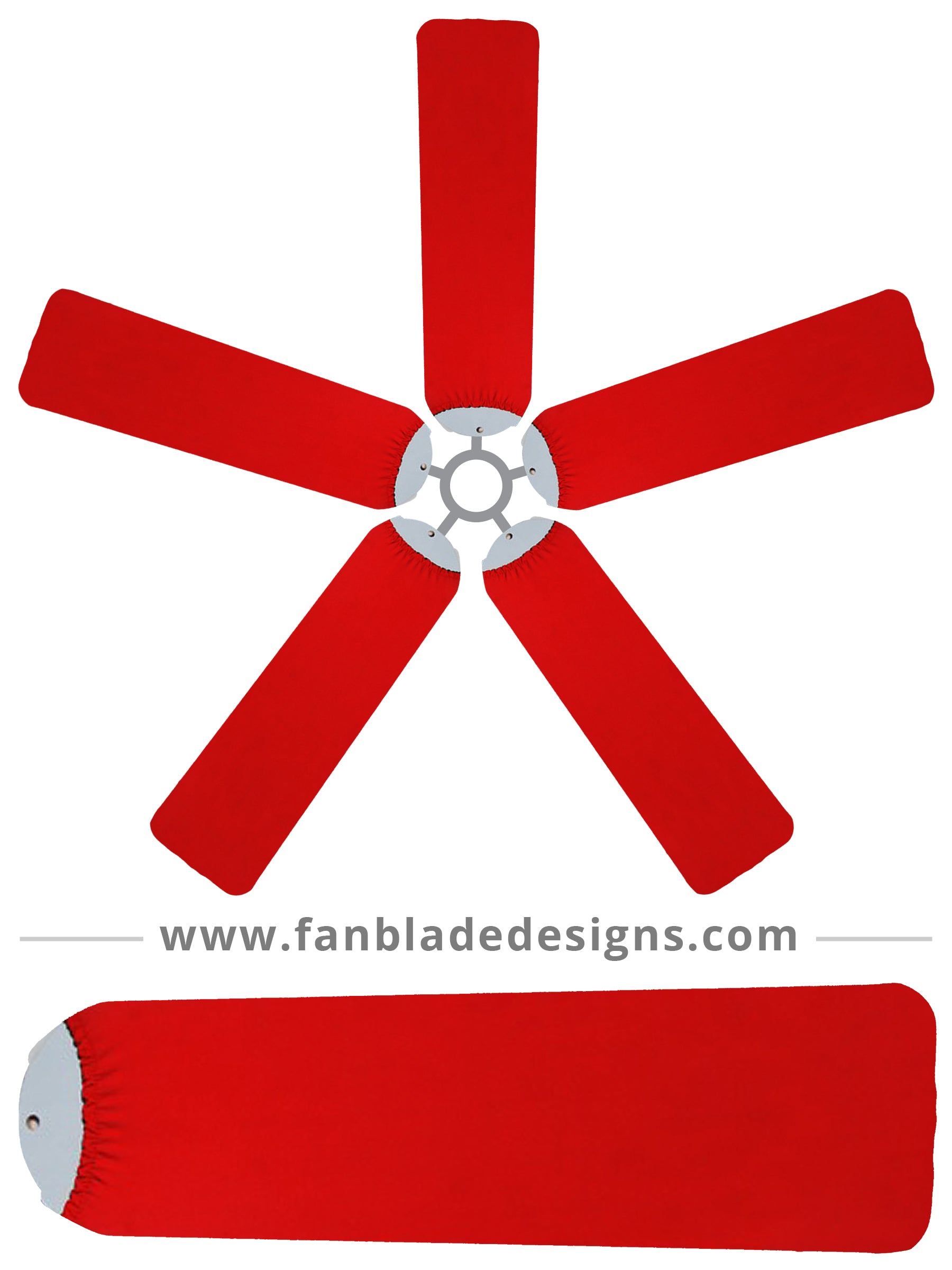
If you want a removable option, our fan blade covers slide over each blade and can be taken off and machine washed, so the dust goes into the wash instead of the room. You can see the Skulls cover design for a spooky look that also hides dust well.

Does Dust Repellent Spray for Fans Actually Work?
Dust repellent sprays are sold as a way to keep blades clean longer. They can reduce how fast dust sticks, but they do not stop it. Most sprays leave a thin film, and that film can pick up new dust, so the blades may look cleaner for a shorter time than the label suggests.
Sprays also have a cleaning cost. The film can make future wiping messier if it builds up, and some products are not meant for every fan finish. Read the label before you use one, and test a small hidden spot first.
For a removable approach, a physical cover is one option. If you are comparing options, see our Best Ceiling Fan Covers for Pets: Dust Control Options Compared guide.
Setting a Simple Schedule to Keep Your Fan Dust-Free
A light wipe every few weeks and a deeper clean every few months keeps the routine manageable. Keep the routine short so you actually stick to it:
- Every two weeks: Run a microfiber cloth over the blades while the fan is off.
- Every three months: Do the full pillowcase method and check the motor housing.
- Seasonally: Clean before cooling season and again before heating season, when fans run more.
A Top 10 Tips for Maintaining Ceiling Fans at Home guide can help you round out your routine with other habits that keep your fan working well.
Here is a simple schedule you can follow to keep blades dust-free without a big job each time.
| Interval | Task | Time needed |
|---|---|---|
| Every two weeks | Wipe blades with a microfiber cloth while the fan is off | Short |
| Every three months | Full pillowcase method and check the motor housing | Longer |
| Seasonally | Clean before cooling season and before heating season | Before each season |
Frequently Asked Questions
Is a dusty ceiling fan dangerous?
A dusty ceiling fan is not usually a serious hazard, but it can affect air quality. When the blades spin, they release settled dust into the room, which can aggravate allergies and asthma in sensitive people. Dust buildup can also add weight and imbalance to the blades, causing wobbling or extra strain on the motor over time. Cleaning the blades every month or two keeps dust from accumulating and reduces the chance of these issues.
What is the best way to clean sticky dust from a fan?
Sticky dust usually comes from grease, humidity, or cooking residue mixed with dust. Wipe each blade with a microfiber cloth lightly dampened with warm water and a few drops of mild dish soap, then dry the blade immediately with a clean cloth. Work from the tip toward the base so you do not push grime toward the motor. Avoid harsh chemical cleaners, which can damage the blade finish.
Can a dust repellent spray for fans keep dust off?
Dust repellent sprays can slow dust buildup for a short time, but they do not stop it completely. Most sprays leave a thin film that attracts less dust, though the film can also trap grime if you do not clean the blades regularly. Treat sprays as a supplement to routine cleaning, not a replacement. Test any spray on one blade first to check for discoloration or residue.


